
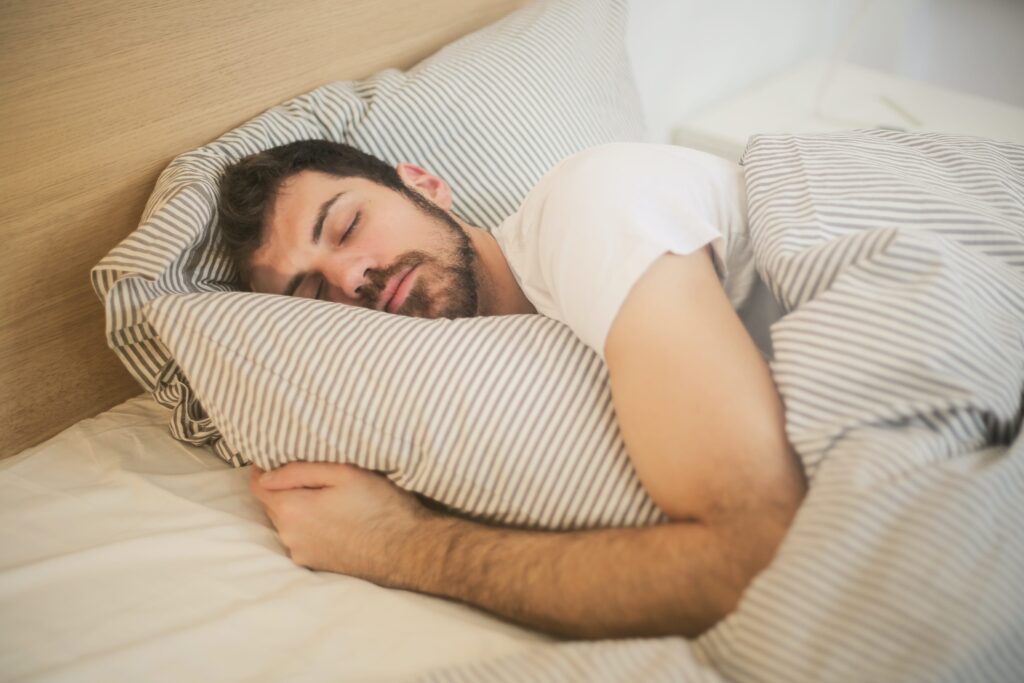
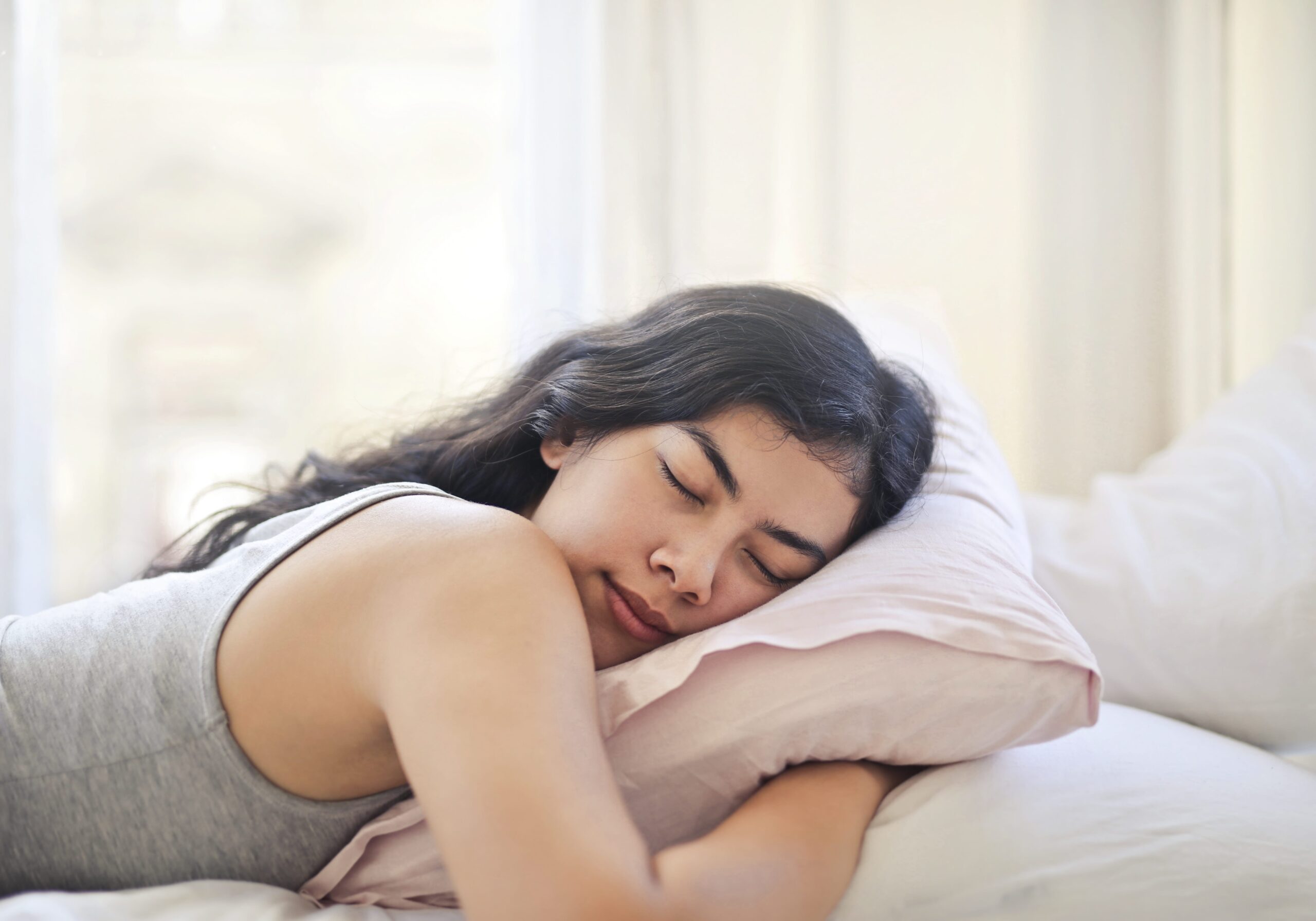
Most of us intuitively understand that a good night’s sleep provides us with energy for the day ahead, improves our mood, and prevents daytime slumber. Empirical studies showed preliminary evidence that sleep is important for immune functions, muscle growth, tissue repair, protein synthesis, growth hormone release, and memory formation and retention. Perhaps you have heard of “sleep hygiene” on the news or in conversations. What is it exactly? Sleep hygiene is, simply put, a set of habits that promote restful sleep and staff off restlessness at night.
These sleep habits are fundamental for anyone who wishes a sound, rejuvenating sleep at night and can be particularly helpful for jet lag, night shift workers, and those who experience occasional insomnia. Maybe you already know and practice a few of these. Let’s dive in!
-
Get up at the same time every morning. Upon waking, go out and absorb some natural sunlight for a few minutes.
This will help maintain a regular circadian rhythm and promote natural wakefulness in the morning by stimulating cortisol and other neurotransmitters production. Even though we live in the lovely Pacific NW where it is cloudy more days than not, even filtered sunlight will be sufficient to help entrain our circadian rhythm. -
Avoid caffeinated beverages past noon.
This includes coffee, tea, chocolate, cola, and even some pain relievers like Excedrin. Caffeine blocks the receptor for adenosine, which is produced throughout waking hours and naturally promotes sleepiness as the day goes on. -
Nap early in the afternoon or do not nap at all.
Daytime naps reduce sleep drive. This is especially important if you experience difficulty falling asleep or do not feel sleepy by bedtime. -
Exercise early in the day and definitely avoid it 4 hours prior to bedtime.
Adequate movement throughout the day not only makes us alert but can also help promote better sleep as well. However, exercising too close to bedtime increases cortisol production, which contributes to alertness. I recommend slow and gentle yoga and stretches instead of cardiovascular intensive exercise to wind down. -
Avoid eating a large meal or drinking a large amount of fluids close to bedtime.
Indigestion, heartburn, and urge to urinate often disrupt sleep. -
Minimize alcohol use 4-6 hours before bed.
Although drinking alcohol may promote sleepiness initially, as the blood alcohol level drops over time, it becomes stimulating and even increases nightmares. -
Develop a soothing bedtime routine.
Within half an hour to an hour of your desired bedtime, turn off all electronics (TV, computers, tablets, phones, etc) that emit blue light. Taking a warm/hot bath, a small cup of herbal, non-caffeinated tea, light reading (avoid stimulating/work-related/stressful topics), calming music, or meditation can help set the mood for relaxation for the body and the mind. -
Optimize sleep environment.
Keep the room cool, quiet, and dark. Some find white noise machines helpful if you live in an urban environment with lots of ambient noise. Some use blackout curtains/shades to minimize light pollution. Use fans/ACs, or simply open your windows to allow cool air to circulate the room to reach approximately 60-67℉ will minimize sleep disruption from temperature dysregulation and reduce time to fall asleep. -
Go to bed around the same time every night and do not push through natural urges to sleep.
This again will help to set your circadian rhythm and allow your body to produce natural sleep cues. -
Reserve bed for sleep and sex only.
If you are unable to fall asleep within half an hour, do not lie in bed tossing and turning or scrolling through your phone. Get up and do something relaxing until you naturally feel tired again.
Focus on these sleep hygiene tips above will optimize and promote more restful sleep. Start by practicing a few that are easy to incorporate into your existing routine. If your sleep quality does not improve still, there are more modalities available that can be done in the office, including acupuncture, Chinese herbs, craniosacral therapy, and supplements. If your sleep is disrupted due to another underlying condition, such as sleep apnea, restless legs syndrome, or other sleep disorders, let us know and we will help you to find the right provider to get to the root cause.
Works Cited
- Division of Sleep Medicine at Harvard Medical School. “Sleep, Learning, and Memory | Healthy Sleep.” Healthysleep.med.harvard.edu, 18 Dec. 2007, healthysleep.med.harvard.edu/healthy/matters/benefits-of-sleep/learning-memory.
- “Twelve Simple Tips to Improve Your Sleep.” Healthy Sleep, healthysleep.med.harvard.edu/healthy/getting/overcoming/tips.
- Pacheco, Danielle. “The Best Temperature for Sleep: Advice & Tips.” Sleep Foundation, 29 Oct. 2020, www.sleepfoundation.org/bedroom-environment/best-temperature-for-sleep.
- “Sleep/Wake Cycles.” John’s Hopkins Medicine, www.hopkinsmedicine.org/health/conditions-and-diseases/sleepwake-cycles.
- Stein, Michael D, and Peter D Friedmann. “Disturbed Sleep and Its Relationship to Alcohol Use.” Substance Abuse, vol. 26, no. 1, 2005, pp. 1–13, www.ncbi.nlm.nih.gov/pmc/articles/PMC2775419/.
- “Why Do We Sleep, Anyway?” Healthy Sleep, Division of Sleep Medicine at Harvard Medical School, 18 Dec. 2007, healthysleep.med.harvard.edu/healthy/matters/benefits-of-sleep/why-do-we-sleep.
About the Author: Wu-Hsun (Tom) Yang, ND, LAc
Related Services: Naturopathic medicine